
Every brand wants to better understand customers. It could be knowing the products they buy, the channels they engage with, the journeys they go on, or how they feel about the brand. Some of these are well served with proven established approaches, but the relatively new area of journey analytics opens up new challenges.
Now, companies want to fully understand each customer's journey across different touchpoints, and see if they complete journeys or drop off along the way. They want to plan out ideal journeys, visualize actual customer journeys, spot problem areas, know what customers feel about the journey, and where they think it could be improved.
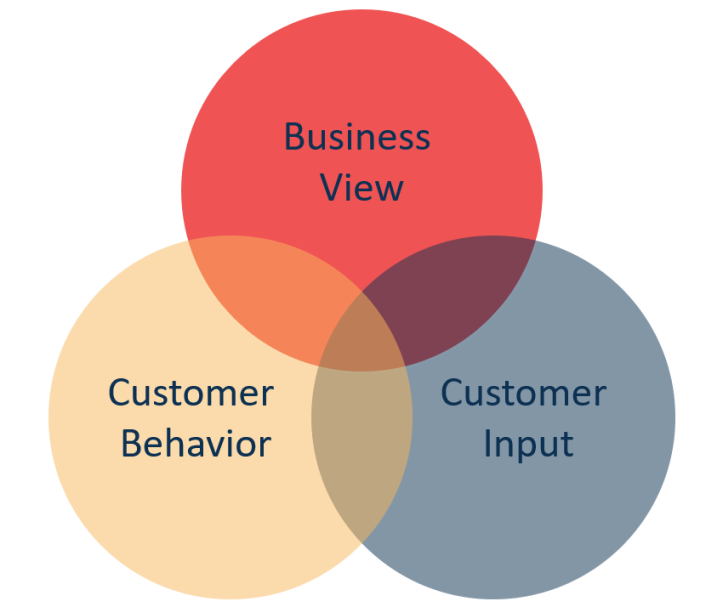
To really understand those journeys, companies need to bring together three things: the business view, actual customer behavior, and the opinions of customers. With these three aspects combined, you can really understand customer journeys and how to improve them.
The business view
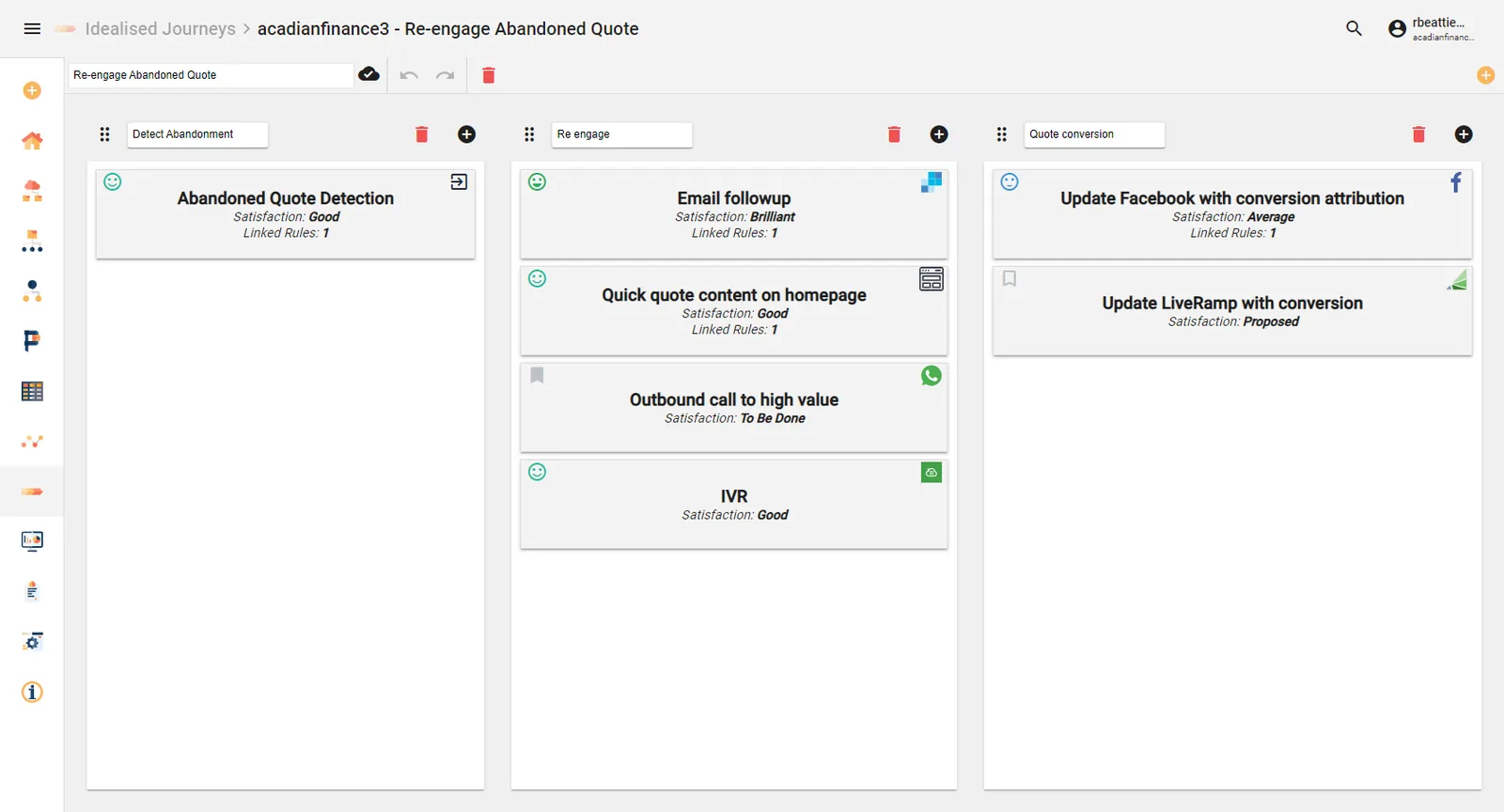
Within a business there will be lots of opinions on the journeys you want customers to go on—the idealized journey. Having the ability to map these journeys, on an interactive digital whiteboard, can help to bring together the expert opinion of those in your business.
This can be a great starting point to identify journey gaps. Perhaps you don't have the right personalized content on the website, you can't spot customers in a call center queue, or your emails don't adapt to behavior. With the idealized journey, you can design your ideal journey and then start to plug the gaps with new initiatives.
Actual customer behavior
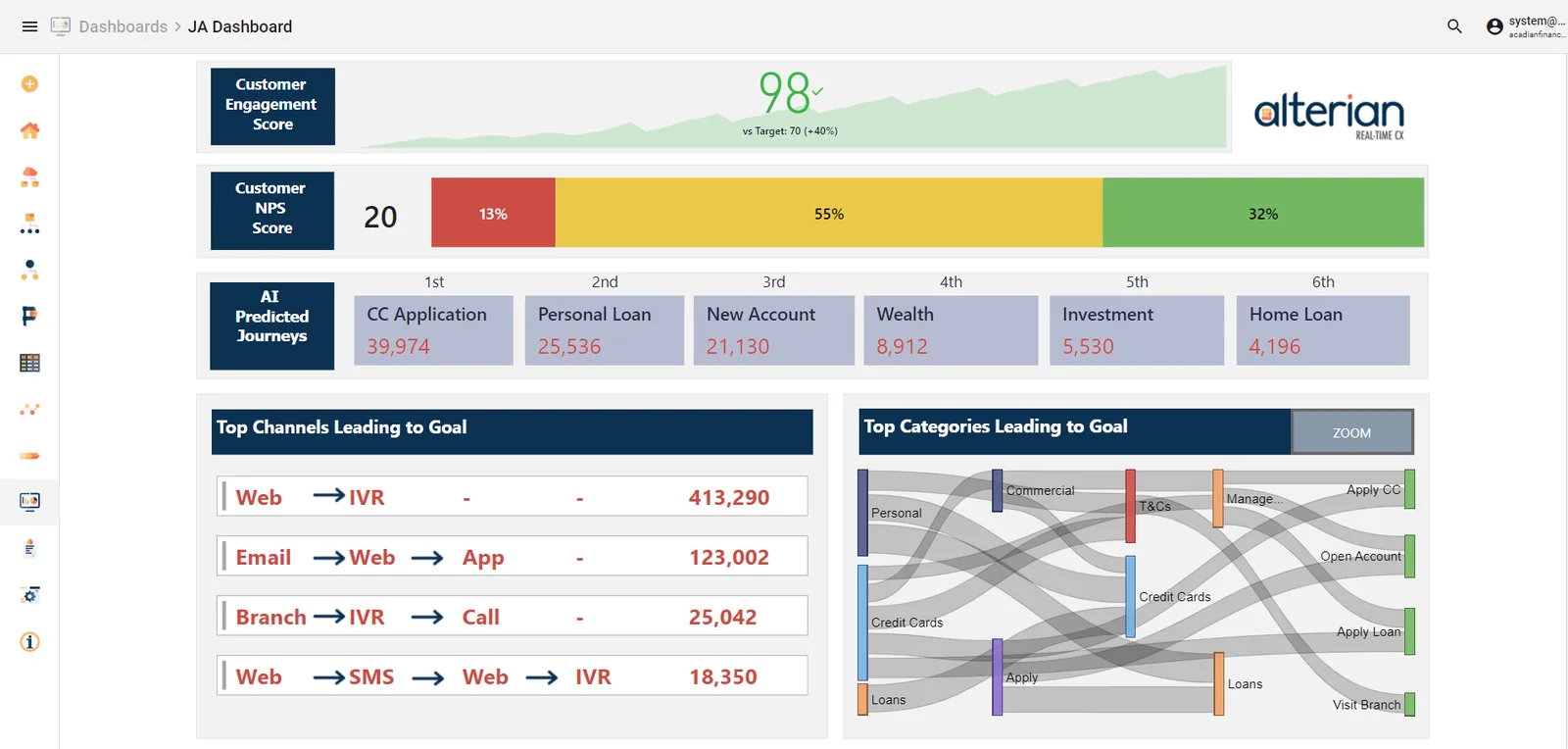
While the business view is useful, it's even better to supplement it with actual journey behavior: knowing where customers visit, which channels they use, and if and where they drop off before completing a journey. This is where specialist journey analytics is an invaluable starting point.
It brings actual customer behavior to life. Do customers stay in a single channel, or switch channels? Do they engage in a continuous journey, or drop off and return? Do they use just the digital channels, or also go face to face or use the phone? Which of these is used?
As well as bringing these journeys to life, you can start layering on other data such as segments, programs and research to add an extra rich picture of your customers.
The opinions of customers
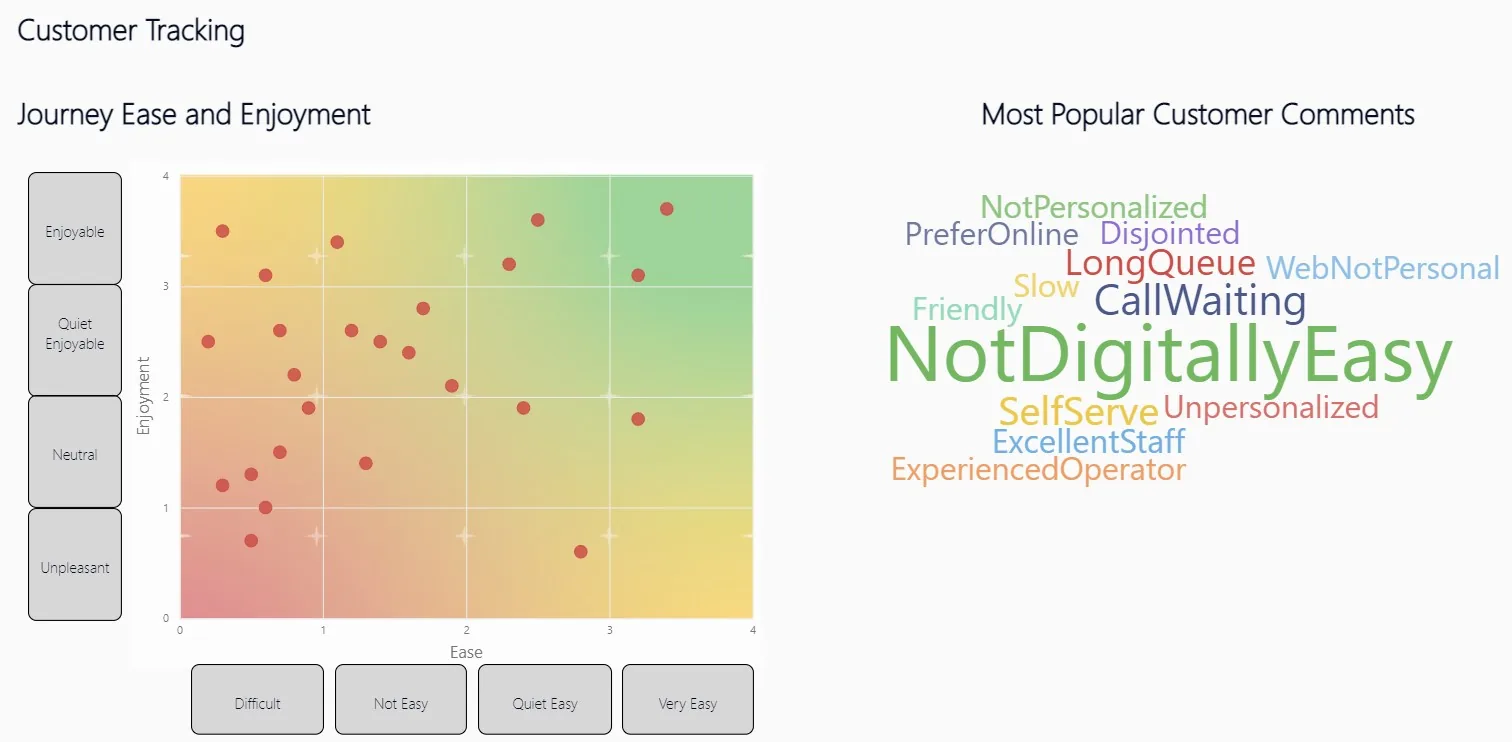
You can gain an even deeper understanding of customers by incorporating research data into the mix. Initially this may involve using customer satisfaction results to see where customers score you poorly in a journey. Perhaps you make it too tricky for them to register, or make it difficult to change an account or appointment.
Collecting the customer's point of view on their journey is simple and fast with a short pulse survey developed in collaboration with our partners in the CX community. Taking only three minutes of your customer's time, you can discover how they find the journey based on ease and enjoyment, get their view on where to improve, and even test new approaches. The insight you gather then flows directly into easy-to-use dashboards, where you can keep a constant watch on your customers' opinions.
Turning insight into action
Analytics and insight can be invaluable to understand your customers and how they behave. The crucial part, though, is being able to act on this insight and test the impact of new journey enhancements.
At Alterian it's something that is in our heritage—turning insight into action. That's why we bake into our tech the ability to spot people in a journey, and let you dynamically create better actions for those people, across any of your touchpoints.
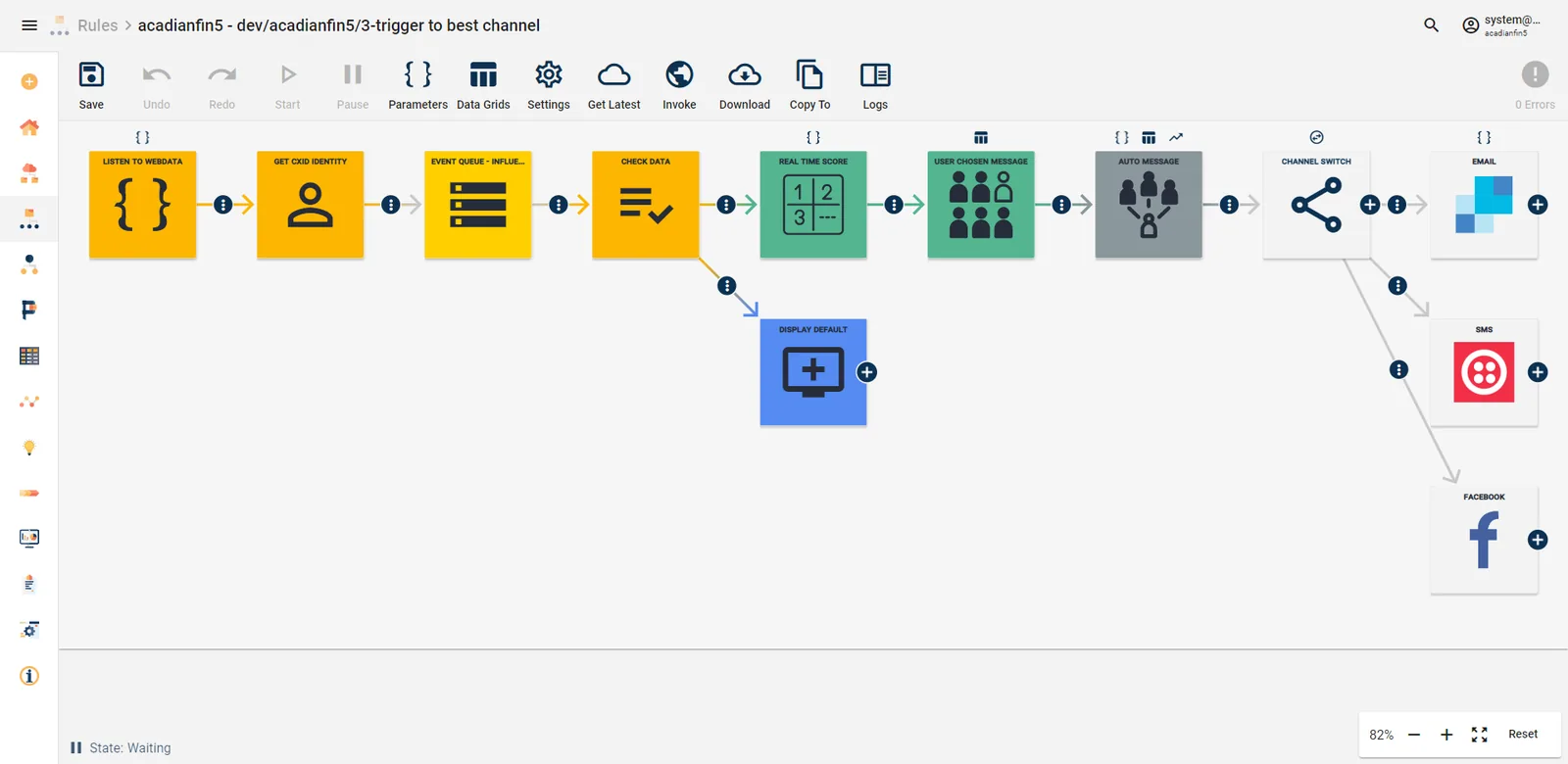
By having a fully integrated journey analytics and journey orchestration platform, it is so much faster and easier to use the learnings to personalize and improve journeys for each customer.
If you want to find out more about journey analytics, customer behavior tracking or turning insight into action, get in touch.